History & Regions of Palestinian Embroidery
A rich tradition spanning thousands of years, with each region telling its own story through thread
Roots of Tatreez
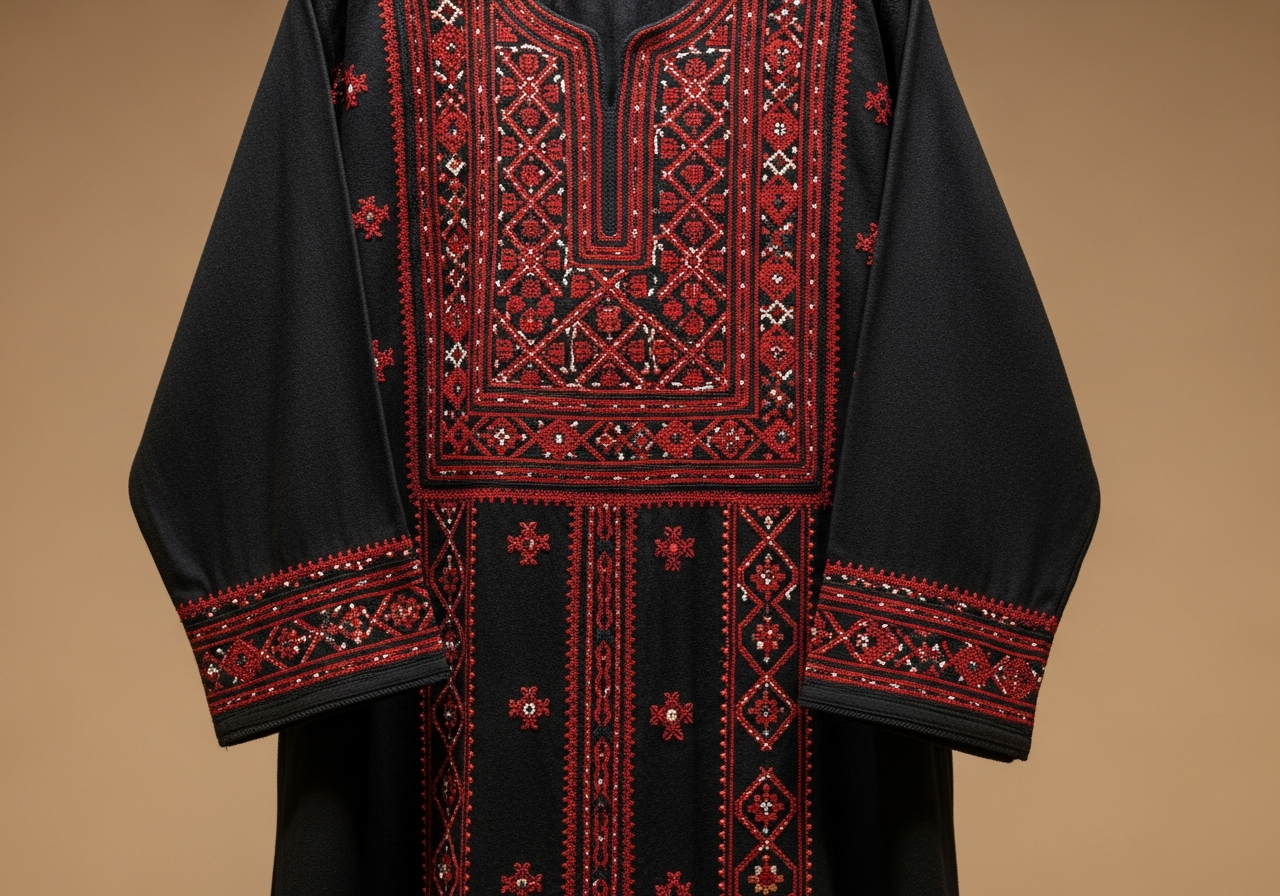
A form of embroidery believed to date back thousands of years, tatreez developed as Palestinian village women decorated dresses (thobes), jackets, and household textiles with geometric motifs inspired by everyday life.
Passed down through generations of women, tatreez became a language of identity, a way to carry your village, your family, and your history on your body.
Regional Styles
Each Palestinian region developed its own distinctive embroidery traditions, patterns, and color palettes
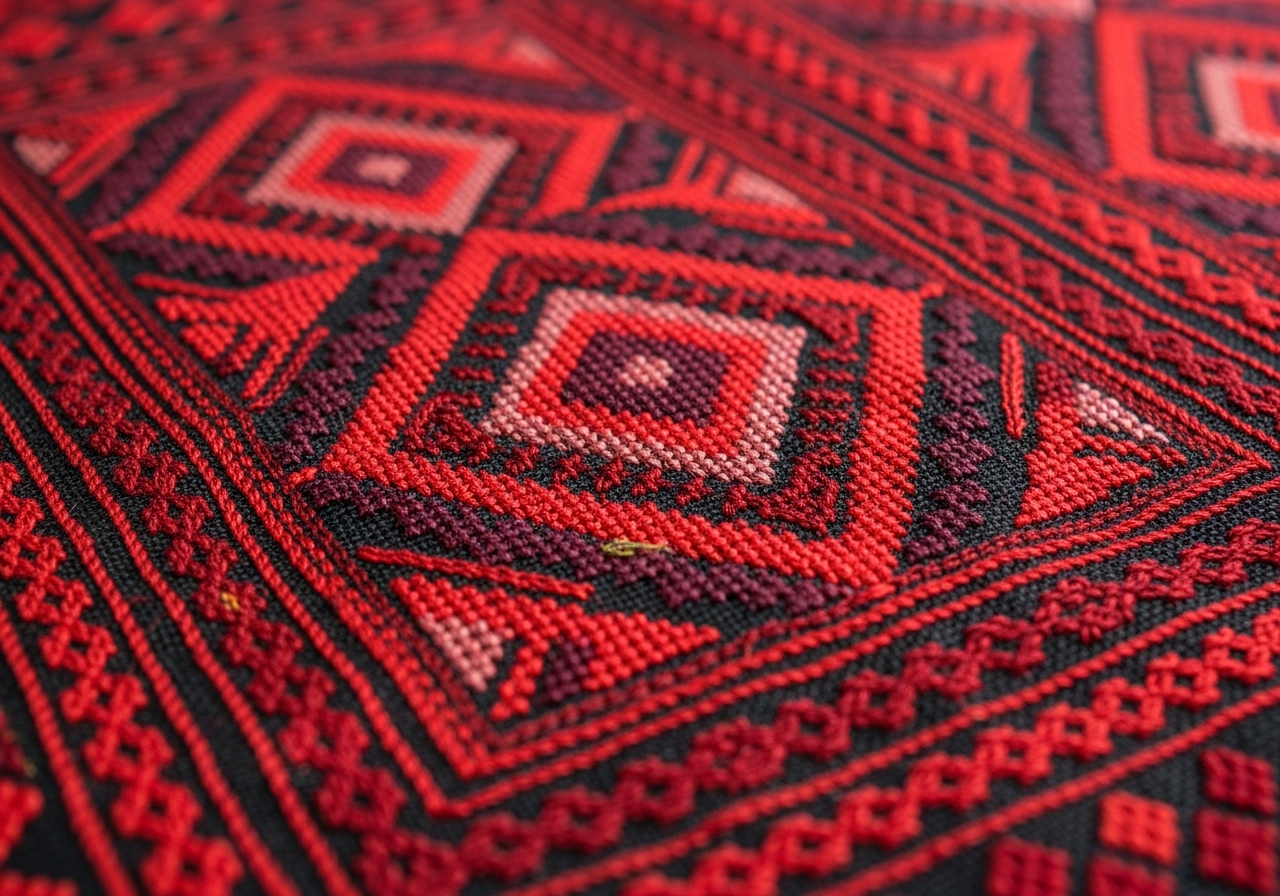
Known for elaborate chest panels with distinctive red silk threads.
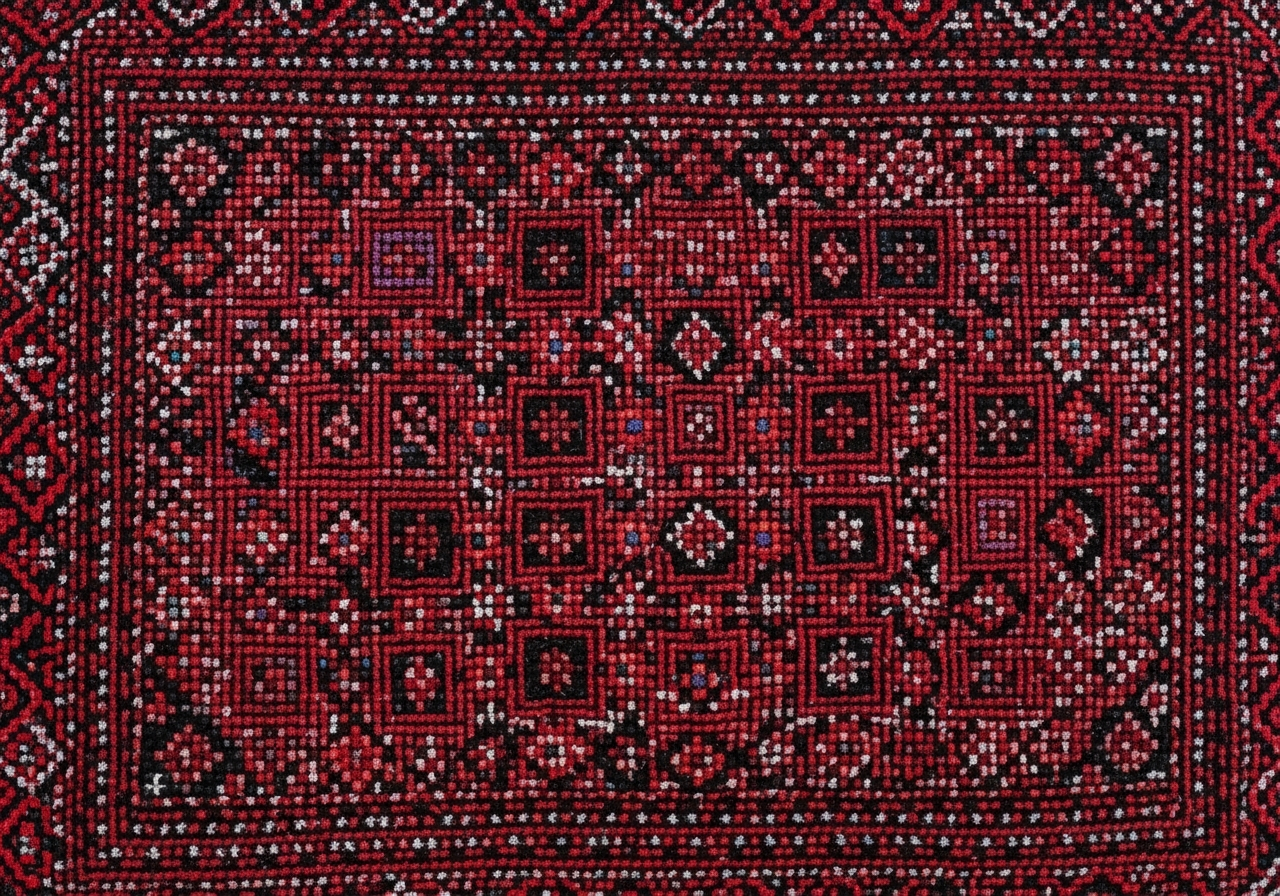
Extremely dense patterns with tiny, precise stitches.
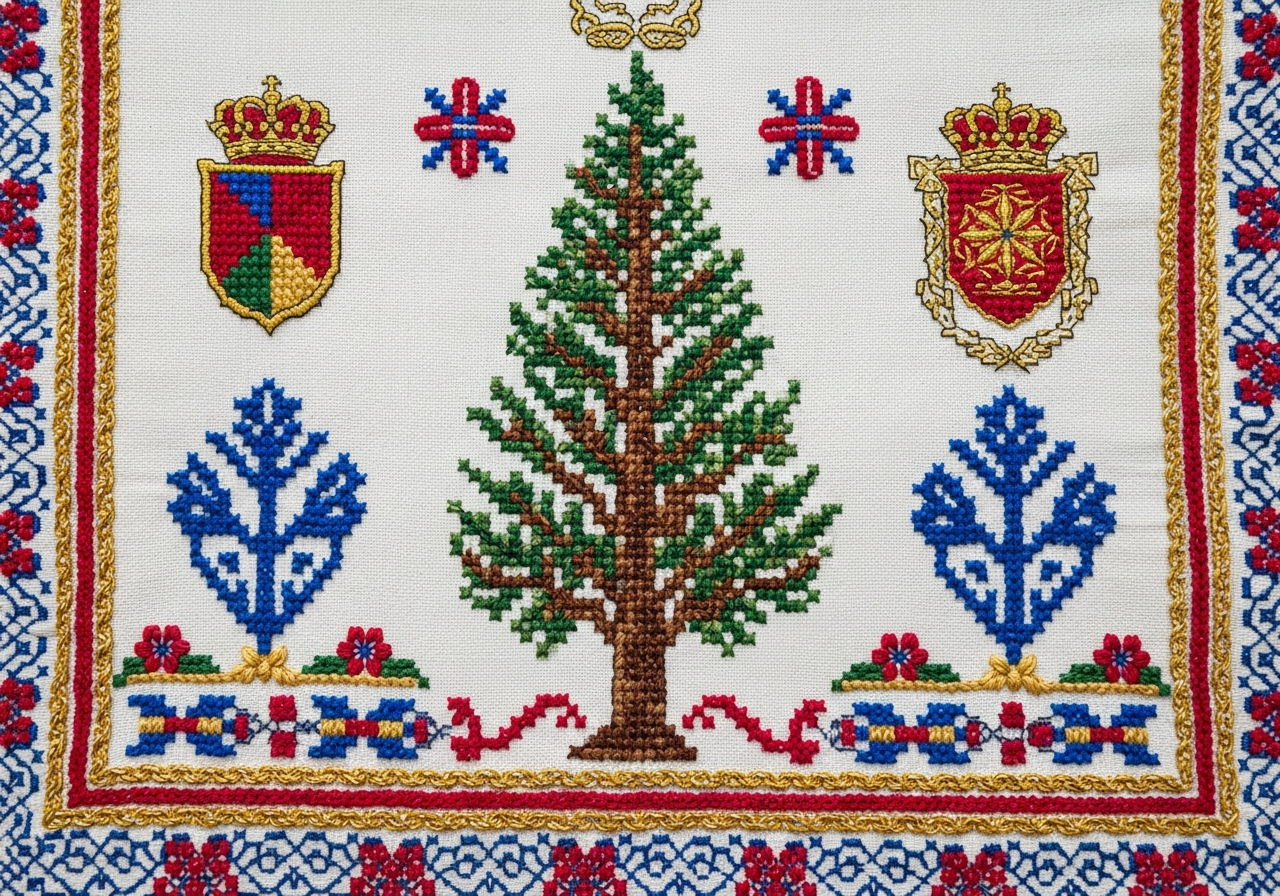
Elegant motifs including the iconic cypress tree.
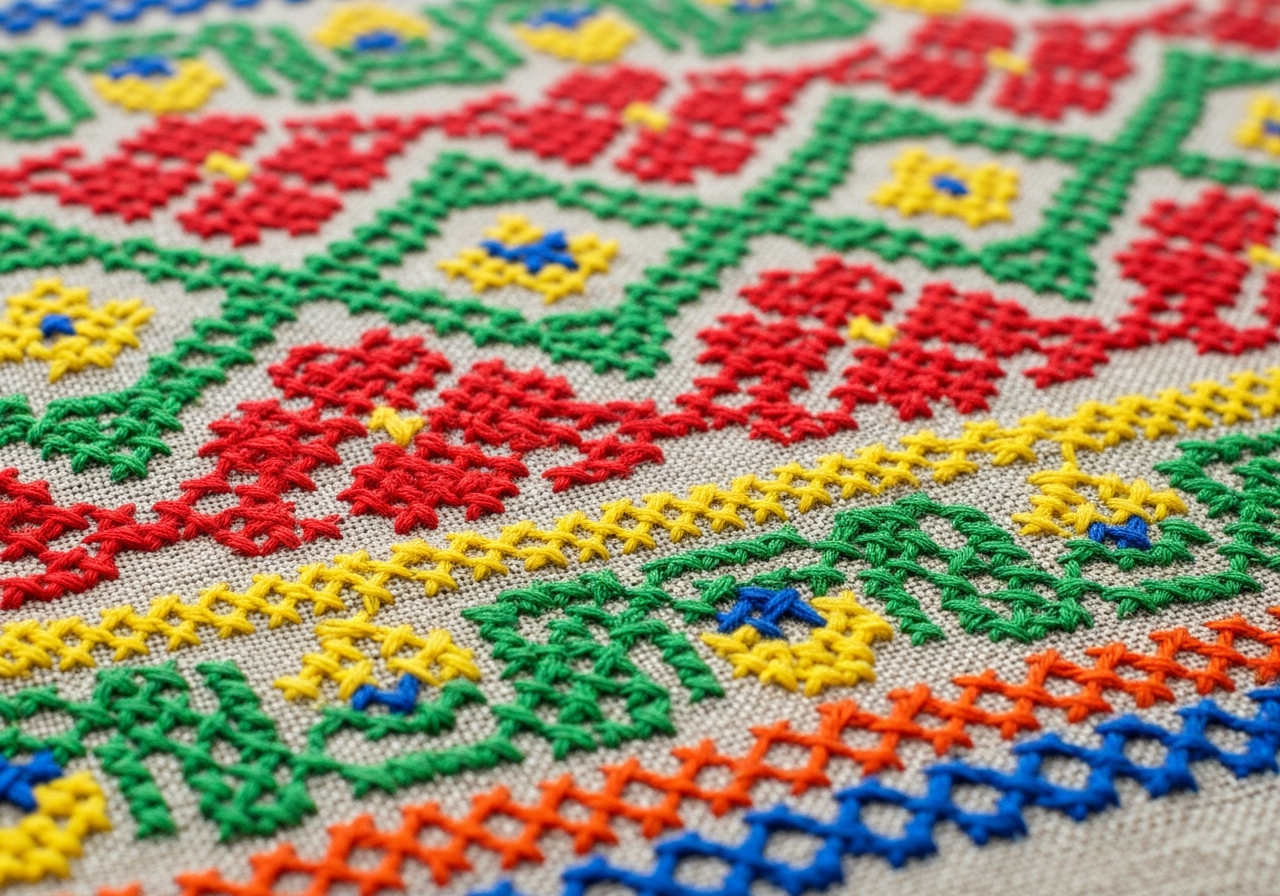
Mediterranean influences with vibrant colors and flowing patterns.
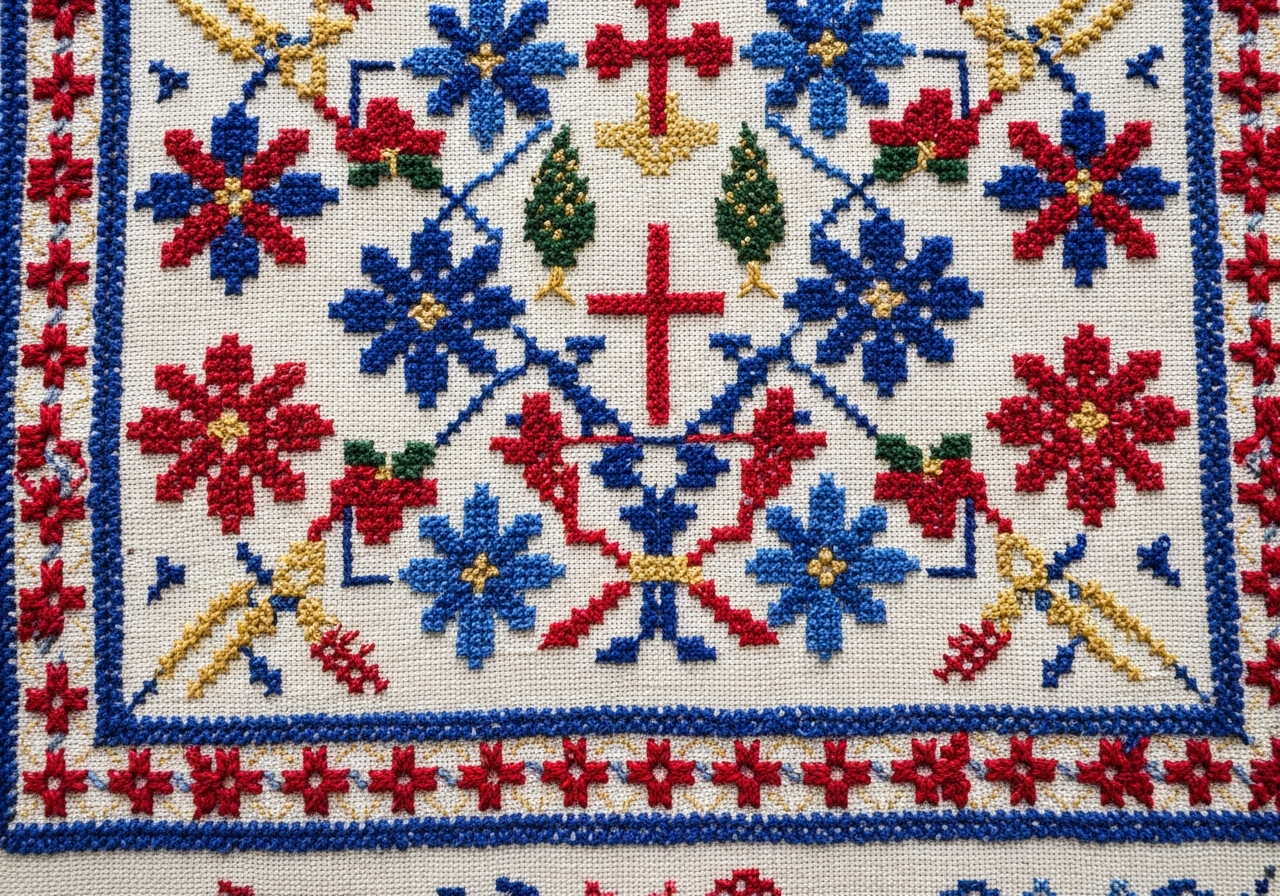
Delicate floral patterns and symbolic motifs.
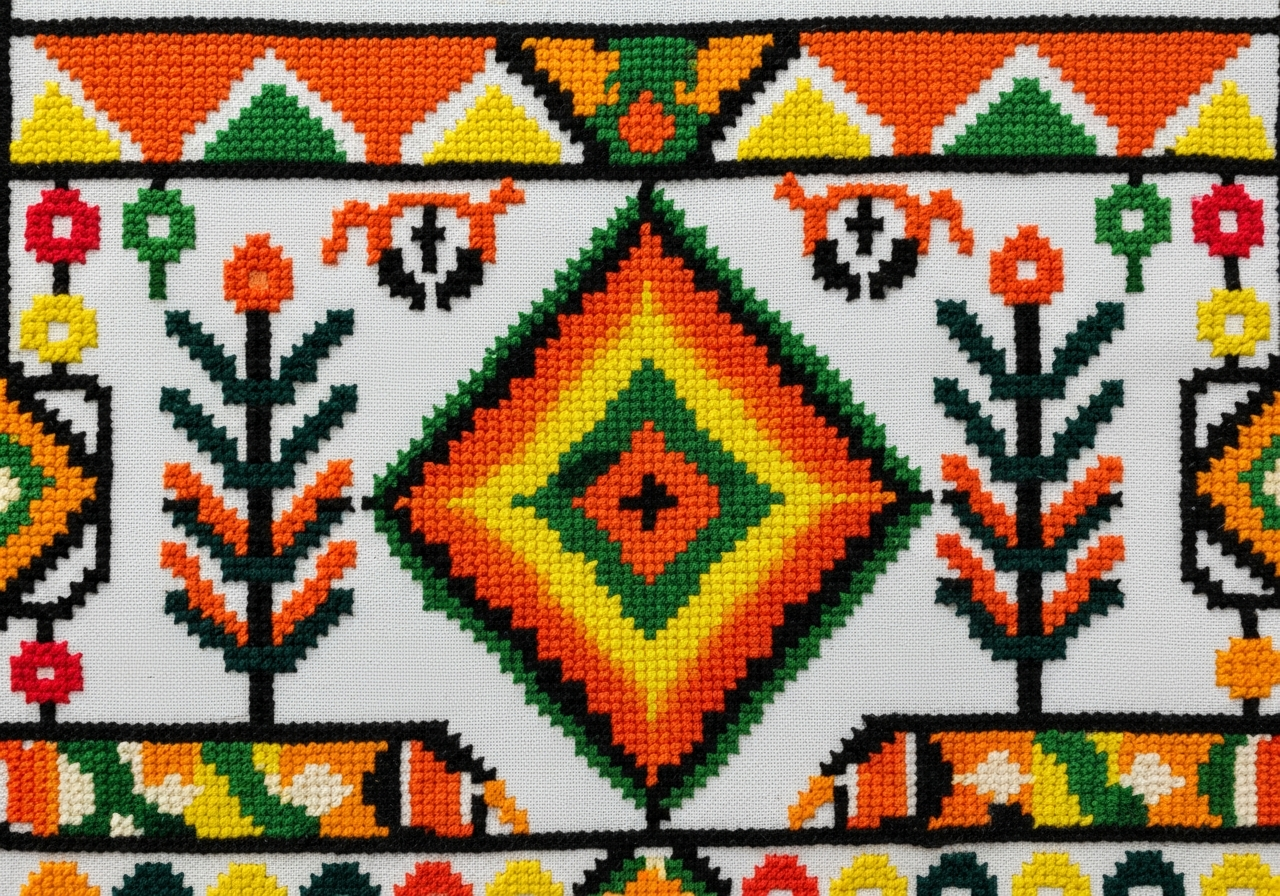
Vibrant color combinations and bold design elements.
Tatreez Today
Palestinian artists continue to adapt tatreez onto modern clothing, accessories, and art pieces.
For the diaspora, stitching is a way to stay connected to homeland and memory.
The 2021 UNESCO recognition of Palestinian embroidery as Intangible Cultural Heritage affirmed what practitioners have always known: tatreez is essential cultural memory.